

When evaluating drug disposal products, it can be easy to assume that more of one ingredient automatically means better performance.
In the market, claims around carbon volume can make it sound like the product with the most carbon is the most effective option. But drug disposal is more complex than that.
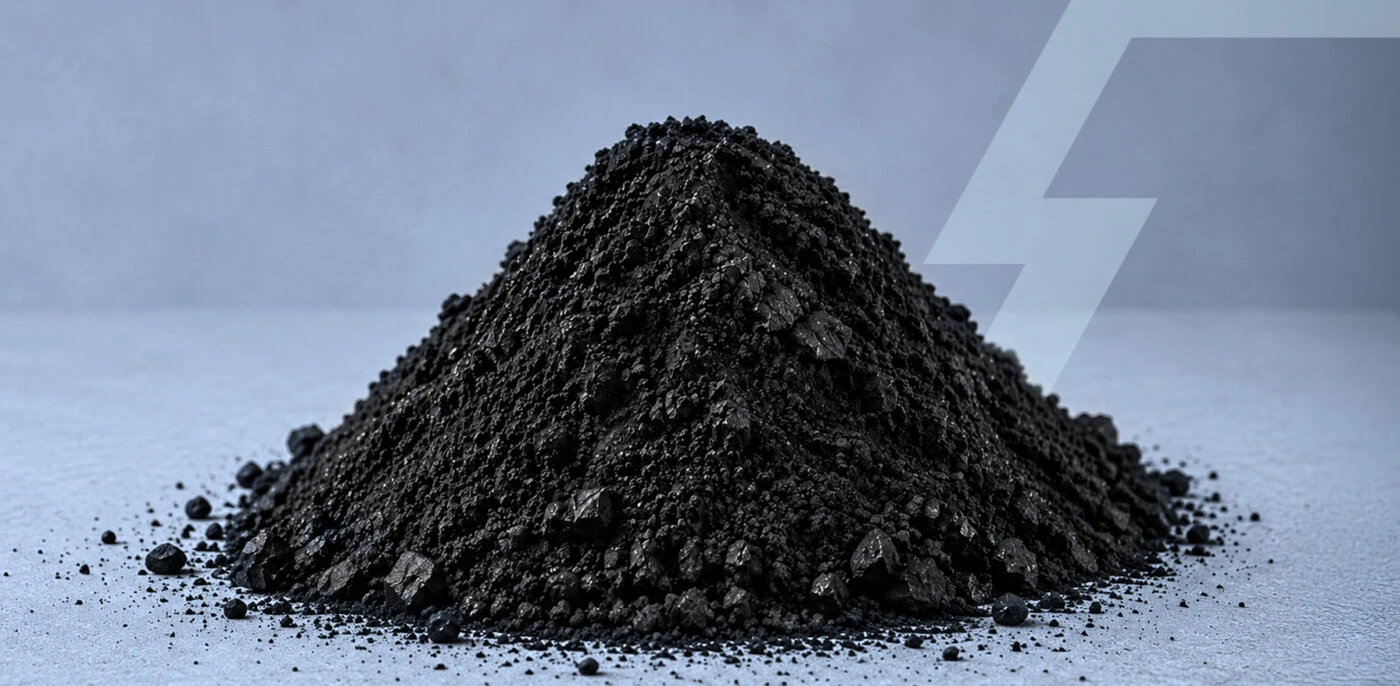
Activated carbon can play an important role in drug disposal technology. However, carbon volume alone is not the right measure of performance. A product’s effectiveness depends on the quality of the carbon, how it is activated, the formulation surrounding it, the level of contact between the medication and the active medium, and whether performance is supported by appropriate testing.
In other words, more carbon does not automatically mean better drug disposal.
How Activated Carbon Works
Activated carbon works through a process called adsorption. Drug molecules bind to the internal surface structure of the carbon, which is made up of microscopic channels and pores.
The important performance factor is not simply how much carbon is in a product. The more relevant measure is the carbon’s accessible internal surface area, often measured by BET surface area.
BET surface area is a standard way to measure the accessible surface area of porous materials. In simple terms, it helps quantify how much internal surface area is available for adsorption.
That distinction matters.
Activated carbon is not effective just because it takes up space in a bottle or pouch. It is effective because of its internal pore structure and available binding sites. A smaller amount of high-quality activated carbon with the right pore distribution and surface chemistry can outperform a larger amount of less-refined carbon.
The drug does not interact with the total amount of carbon in the container. It interacts with the carbon it can actually reach.
Why Formulation Matters
Carbon is an ingredient. It is not the entire solution.
A drug disposal product’s formulation determines how efficiently medication moves from its original form into contact with the active disposal medium. Factors like the carrier matrix, pH, solubilizing agents, physical structure, and product design all influence whether carbon’s adsorptive capacity is actually used effectively.
This is especially important for solid medications. For tablets and capsules, the key challenge is often contact. The medication needs to be exposed to the active medium in a way that supports dissolution, dispersion, and adsorption.
A high-carbon product with poor formulation may not perform as well as a product with less carbon but stronger matrix chemistry and better contact mechanics. If drug molecules do not reach the active adsorption sites, the additional carbon does not meaningfully improve performance.
That is why efficacy is a formulation outcome, not just an ingredient quantity.
More Carbon Has a Ceiling
In adsorption science, “more is better” has a limit.
Once the available binding sites on the carbon surface are occupied, adding more carbon does not necessarily create additional drug binding. Scientists describe this through adsorption isotherms, which help explain the point where additional adsorbent no longer produces meaningful added uptake.
For any intended use, there is an appropriate carbon-to-drug ratio. Beyond that point, excess carbon may simply become unused material.
That means more carbon can add cost, increase product size and weight, complicate handling and storage, and create additional disposal burden without improving the outcome that matters most: performance supported by appropriate testing.
Responsible product design should be built around the performance target, not around maximizing ingredient volume for marketing purposes.
Contact Matters in Real-World Use
A disposal product does not work simply because active ingredients are present. It works when the medication can effectively interact with those ingredients.
This matters in real-world settings where users may be disposing of tablets, capsules, liquids, or a mix of medication forms. A product used in a healthcare facility, pharmacy, EMS setting, outreach program, or home environment needs to be practical, understandable, and appropriate for the way it will be used.
The best disposal solution is not always the product with the most material. It is the product that is properly formulated, supported by appropriate performance data, and practical for the use case.
Environmental Responsibility Also Matters
Drug disposal products should be evaluated not only by what they are designed to do, but also by how responsibly they are designed.
Activated carbon production can be resource intensive. If a product uses more carbon than is needed to support its intended performance, that extra material still has to be manufactured, packaged, shipped, stored, and disposed of.
Using unnecessary material is not automatically a performance benefit. It can create additional environmental burden and operational inefficiency.
A well-designed drug disposal product should use the appropriate amount of the right active material. That means enough to support the intended disposal need, but not more than necessary if additional material does not improve documented performance.
Appropriate material use is a quality indicator. It reflects precision, testing, and responsible product design.
What Buyers Should Look For
When evaluating drug disposal products, buyers should look beyond simple carbon-volume comparisons.
More useful questions include:
- Has the product been evaluated for its intended use?
- Is performance supported by documented efficacy data?
- Does the formulation support medication contact with the active medium?
- Is the product practical for the setting where it will be used?
- Does it support staff workflow, patient use, or community distribution?
- Is the product appropriately designed for the expected disposal need?
- Does the product use materials responsibly?
These questions are more meaningful than asking which product contains the most carbon.
Performance claims should be supported by documented testing and appropriate use-case evaluation, not inferred from ingredient quantity alone.
The Bottom Line
Activated carbon can be important in drug disposal, but carbon volume alone should not be treated as the measure of effectiveness.
Drug disposal performance depends on the full formulation, carbon quality, pore structure, contact mechanics, intended use, and performance data.
At Rx Destroyer, we believe drug disposal solutions should be thoughtfully formulated, practical to use, and designed around real-world needs. Whether supporting healthcare teams, pharmacies, EMS programs, community outreach, or at-home disposal, the goal should be simple: provide a disposal solution that is effective, responsible, and appropriate for the setting.
Because when it comes to drug disposal, more material is not the goal.
The right formulation is.